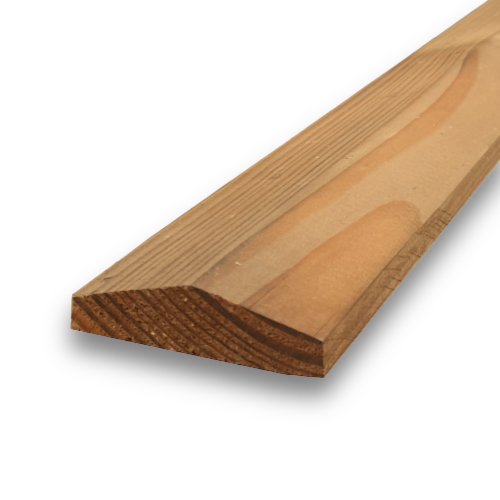
Explore our range of panel capping for creating a neat, finished and better-protected top edge on timber fence panels. Panel capping is fitted along the upper edge of a fence panel to improve its appearance while helping shield exposed timber from direct rain and weathering.
Capping is commonly used with closeboard panels, feather edge fencing, decorative panels and other timber fencing systems. It provides a clean horizontal finish across the fence run and can help create a more professional, consistent appearance.
Our range includes pressure-treated timber capping suitable for new fencing installations, replacement work and panel repairs. Pressure treatment helps improve resistance to rot, fungal decay and general outdoor weather exposure.
Panel capping can be cut to suit the required fence length and fixed securely using suitable exterior-grade nails or screws. Always check the individual product profile, treatment and compatibility before ordering.
Panel Capping Options
- Pressure-treated timber panel capping
- Capping for closeboard fence panels
- Capping for feather edge fencing
- Timber profiles for replacement and repair work
- Capping for new and existing fence runs
- Options suitable for outdoor timber fencing
Key Features
- Creates a neat and consistent top finish
- Helps protect exposed panel edges from direct weathering
- Suitable for a range of timber fencing systems
- Pressure-treated options help protect against rot and decay
- Can be cut and adapted during installation
- Suitable for new fencing and replacement projects
- Works with suitable exterior-grade fixings
Ideal For
- Closeboard fence panels
- Traditional feather edge fencing
- Decorative timber panels
- Replacing damaged or missing capping
- Improving the finish of an existing fence run
- Residential and commercial garden boundaries
- Professional and DIY fencing projects
Product Benefits
- Improves the overall appearance of the fence
- Provides additional protection along the top edge
- Helps create a level and professionally finished fence line
- Can help reduce direct water exposure to the panel top
- Individual lengths can be replaced if damaged
- Natural timber finish complements wooden fencing
- Easy to cut and install with suitable tools
Choosing the Right Panel Capping
Choose a capping profile that suits the thickness and construction of the fence panel. The capping should sit securely over or along the top edge without excessive movement.
Check the required total length and include an allowance for cuts, joints and site adjustments. Matching the same profile throughout the fence run will help create a consistent finish.
Where the timber is pressure treated, apply a suitable end-grain treatment to any cut ends before installation.
Installation and Care
Position the capping evenly along the top of the fence panel and secure it using suitable exterior-grade galvanised nails or screws. Fixings should be spaced consistently and installed carefully to reduce the risk of splitting.
Pre-drilling near the ends may help protect the timber. Inspect the capping periodically for movement, damage or exposed cut surfaces and repair or replace sections where required.
Complete Your Fencing Project
Complete your installation with suitable screws, nails and fixings, timber treatments and other fencing accessories.
Browse our closeboard fence panels, heavy duty closeboard fence panels and feather edge boards.
You can also explore our wider timber range for rails, battens and other supporting timber products.